

The city of Montréal consists of about 1.6 million people and it is the major city of Québec. The main language is French, so it is also considered the second largest French-speaking city after Paris. But Montréal remains a multicultural city because of the large number of communities that have settled in various Montréal boroughs.
The city of Montréal has 19 boroughs in total. They are:
- Ahuntsic-Cartierville consists of two neighbourhoods Ahuntsic and Cartierville. This is an important industrial sector, especially in the fashion market, and there are lots of clothes factories.
- Anjou is an important part of the commercial and industrial sectors of Montréal.
- Côte-des-Neiges-Notre-Dame-de-Grâce is the most populous borough and is extremely multicultural.
- Lachine consists of three neighbourhoods: Fort Rolland, Provost and Canal.
- LaSalle represents an important industrial and commercial sector.
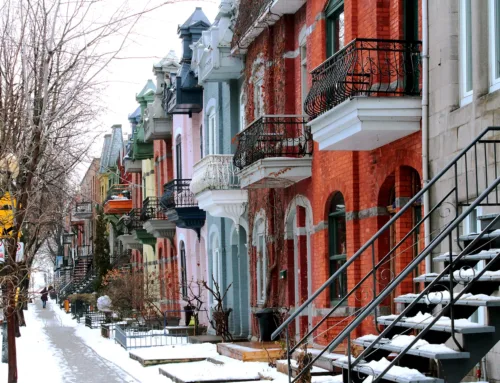
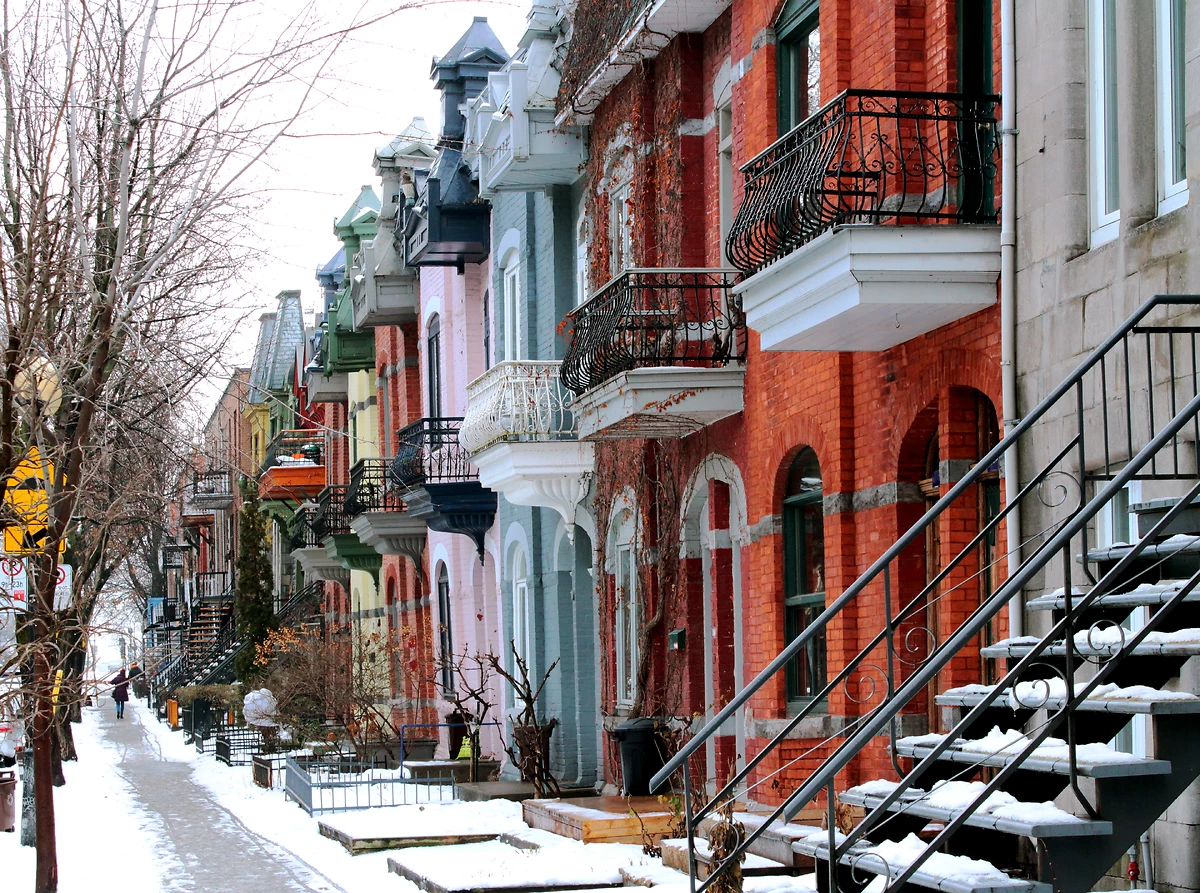
- Plateau Mont-Royal covers three neighbourhoods; the Plateau Mont-Royal (not to be confused), Mile End and McGill. It is popular because it offers a good quality of life, parks, shopping streets, cafes and restaurants. It is quite an expensive neighbourhood of Montréal.
- Sud-ouest (Southwest) is one of the most disadvantaged of the city of Montréal. It consists of different neighbourhoods, including Cote St-Paul, St-Henri, Little Burgundy, Griffintown, Point St. Charles and Ville Emard.
- Ile-Bizard-Sainte-Geneviève is the least populated Montréal borough, representing about 1% of the total population.
- Mercier-Hochelaga-Maisonneuve consists of three neighbourhoods, Mercier-Est, Mercier-Ouest and Hochalaga-Maisonneuve. The Olympic Stadium is located in Mercier-Hochelage-Maisonneuve.
- Montréal-Nord (North-Montreal) is very heterogeneous. The borough has large Haitian, North African, Italian and Latin American communities.
- Outremont is a wealthy residential neighbourhood, mostly French. Shops related to gastronomy and restaurants are very present.
- Pierrefonds-Roxboro is the second Montréal borough in terms of concentration of families with children. It is very residential and rents are slightly higher than the average for other districts.
- Rivière-des-Prairies-Pointe-aux-Trembles is a borough of Montréal established in 2006 and known for its large parks, the Pointe Aux Prairies and the Ruisseau-de-Montigny.
- Rosemont-La Petite-Patrie is one of the best districts served by the subway. There is a strong Italian community, especially in the neighbourhood dubbed “Little Italy”.
- Saint-Laurent is one of the most populous Montréal boroughs; it is the biggest sub-area of North Montréal. This is an important industrial area, particularly for the aerospace sector. French and Arabic languages are the most spoken and there is a large Lebanese community.
- Saint-Léonard is another neighbourhood with a substantial Italian community. This is a very residential district of Montréal, but poorly served by public transport.
- Verdun consists of three neighbourhoods; one of them is on the island Les Deux-Soeurs. It is a largely young neighbourhood, because of the low cost of real estate, the proximity to the city center and its accessibility by public transport.
- Ville-Marie is the borough that covers the downtown of Montréal. It consists of thirteen distinct neighbourhoods, and almost everyone, is a community. There is Old Montréal, Sainte-Marie (business district), South Central (gay village), McGill (student district), the Golden Square Mile, Chinatown, the Latin Quarter, the international district, the museum district, the sight district, Griffintown and finally Shaughnessy Village.
- Villeray-Saint-Michel-Parc-Extension contains three neighbourhoods Villeray, St Michel and Parc-Extension. It is the most heterogeneous of all the districts of Montréal. In fact, there are more than 75 communities, including Greek, Italian, Indian, North African, Haitian, and many more.
As you can see, the boroughs of Montréal are extremely diverse in terms of cultures, languages and lifestyles.
Knowing the boroughs is a start; if you are planning a move to Montreal, our Relocation Roadmap lists everything else to think about before you arrive.
Download your FREE Roadmap
It’s like a sneak preview of the Online Guide.
Learn more
For more information about living in Montreal, check out these helpful articles and links:
- French and English neighbourhoods of Montreal
- 9 Things you might not know about Montreal
- 11 Reasons to love the Quartier des Spectacles
- Family friendly green condos in Montreal
- Where to live when moving to Canada
- Cost of living in Montreal vs Toronto
- ARIANNE Relocation Guides for Montreal
PHOTO CREDIT: Wikipédia – Carte des arrondissements de Montréal
Leave A Comment